Balance-transfer cards compared: Discover it Cash Back, Wells Fargo Reflect, and BankAmericard
A source-backed comparison of Discover it Cash Back, Wells Fargo Reflect, and BankAmericard, focused on transfer timing, fees, intro APRs, post-intro rates, and reader fit.
In this comparison



The short answer
A balance transfer moves eligible debt to a new credit-card account. The introductory APR can create repayment room, but the transfer fee is usually added to the balance, the offer has a deadline, and the regular variable APR applies to any balance left afterward. The useful comparison is not simply “which card is best”; it is which set of timing, fee, eligibility, and repayment conditions you can actually meet.
Reader-fit note: This is an educational comparison, not individualized credit advice. Offers and approval terms can change by applicant and channel.
At a glance
Scroll sideways or use arrow keys to read the full table.
| Card | Intro balance-transfer APR and timing | Transfer fee | After the intro period | Annual fee | Important limit |
|---|---|---|---|---|---|
| Discover it® Cash Back | 0% for 15 months on purchases and balance transfers; introductory fee is shown through September 10, 2026 | 3% introductory fee through September 10, 2026; 5% for future transfers | 17.49%–26.49% variable purchase APR range shown on the issuer page | None | Discover’s page dates the rates and fee deadline; verify the live offer. |
| Wells Fargo Reflect Visa® | 0% for 21 months; request within 120 days of account opening | 5%, minimum $5 | 17.49%, 23.99% or 28.24% variable APR | None | Request plus fee cannot exceed available credit; no Wells Fargo or affiliate transfers. |
| BankAmericard® | 0% for 21 billing cycles; transfers made within 60 days | 5% | 14.99%–25.99% variable APR currently shown on the product page | None | Transfers cannot be used to pay Bank of America accounts. |
The three offers use different promotional clocks and fee deadlines. Discover describes a 15-month introductory period and a dated introductory-fee deadline, while Wells Fargo and Bank of America state account-opening or billing-cycle timing. Confirm the exact disclosure presented to you.
1. Start with the fee, not the headline APR
Suppose you transfer $5,000 and the fee is 5%. The fee is $250, so the new balance can be $5,250 before you make a payment. That is the amount your payoff plan needs to handle. A smaller fee can matter more than a small difference in the promotional window if your budget is tight.
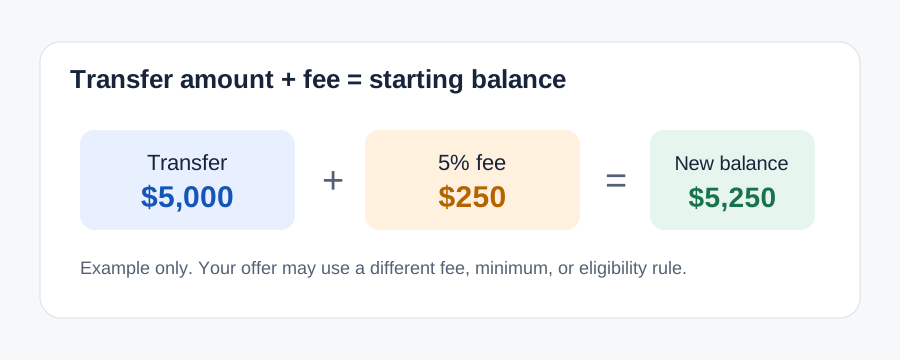
Example only: transfer fees are issuer- and offer-specific.
Also check whether the fee has a minimum dollar amount, whether the transfer must be requested by a deadline, and whether the fee counts against your available credit. Wells Fargo explicitly says the request plus fees cannot exceed available credit. A high requested amount can therefore be reduced or declined even if the transfer itself appears eligible.
2. Compare the clocks
Discover it Cash Back: a dated introductory-fee window
Discover’s current product page describes 0% intro APR for 15 months on purchases and balance transfers. It shows a 3% introductory balance-transfer fee through September 10, 2026, then a 5% fee for future transfers; the same page lists a 17.49%–26.49% variable purchase APR range after the intro period and no annual fee. The issuer dates the rates and fee deadline, so treat these as the displayed offer to verify—not a permanent promise.
Wells Fargo Reflect: request within 120 days
Wells Fargo’s terms state 0% for 21 months on balance transfers, but the request must be made within 120 days to receive the introductory APR. The terms list a 5% fee with a $5 minimum, no annual fee, and a post-intro variable APR of 17.49%, 23.99% or 28.24%. The issuer says transfers take about two weeks to process and excludes Wells Fargo and affiliate accounts.
BankAmericard: 60-day completion requirement
Bank of America’s product page says 0% for 21 billing cycles on balance transfers made within 60 days. It lists a 5% transfer fee, no annual fee, no penalty APR, and a current variable APR of 14.99%–25.99% after the introductory period. Transfers cannot be used to pay Bank of America accounts.
The practical question is whether you can submit the transfer on time and keep making required payments while it processes. Do not stop paying the old account merely because a transfer was requested; confirm completion and follow both accounts’ due dates.
3. Match the card to the repayment plan
The introductory period only helps if the debt is shrinking. A simple estimate is:
(transferred balance + fee) ÷ months available = approximate monthly principal target
For the $5,250 example over 21 months, the target is about $250 per month before considering new purchases or any interest that could apply under the account terms. This is a planning example, not a promise that every payment will be allocated in that way.
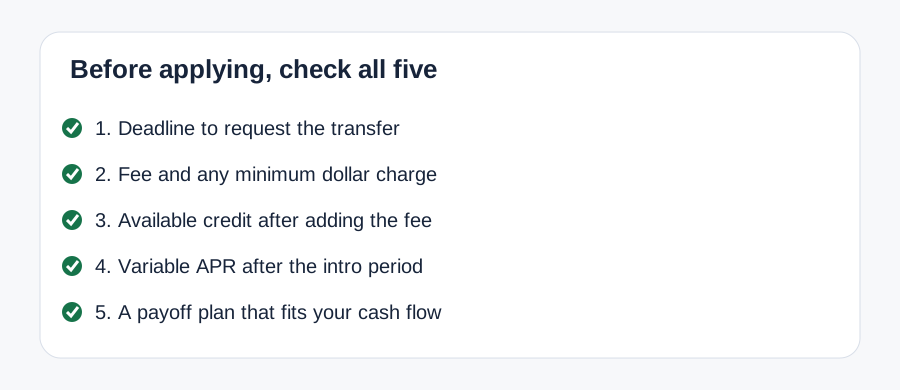
A checklist is more useful than a single ranking because approval and repayment capacity are personal.
If you expect to carry a balance after the introductory period, compare the regular APR range—not just the 0% window. If you may miss payments, read the late-payment rules carefully; a missed payment can affect credit history and promotional terms may have conditions.
Questions to answer before you apply
- What is the exact fee and minimum shown in the offer for your application?
- When must the transfer be requested or completed?
- Does the requested amount plus fee fit under the new credit limit?
- Are transfers from the intended creditor excluded?
- Can you repay the fee-inclusive balance within the promotional period without adding new purchases?
- What APR would apply if the plan slips beyond the introductory period?
Information can change. Recheck the issuer’s live application disclosure before acting.